

In today’s digital age, businesses are increasingly relying on online payment processing to cater to their customers’ needs. However, not all businesses are treated equally when it comes to merchant accounts. Some industries are considered high risk due to factors such as chargeback rates, industry reputation, or regulatory compliance.
As a result, these businesses often face higher fees and stricter terms when it comes to obtaining a merchant account. In this article, we will delve into the true cost of a high risk merchant account, exploring the factors that affect its cost, common fees associated with it, hidden costs to watch out for, and tips for reducing its overall expense.
What is a High Risk Merchant Account?
Before we dive into the cost aspect, it is crucial to understand what exactly a high risk merchant account entails. A high risk merchant account is a type of payment processing account specifically designed for businesses operating in industries that are deemed high risk by payment processors and acquiring banks.
These industries can include online gambling, adult entertainment, pharmaceuticals, travel, and more. The classification as high risk is typically based on factors such as the potential for chargebacks, legal and regulatory compliance, and industry reputation.
Factors Affecting the Cost of a High Risk Merchant Account

Several factors influence the cost of a high risk merchant account. Understanding these factors can help businesses make informed decisions when choosing a provider. The primary factors affecting the cost of a high risk merchant account include:
1. Chargeback Rates: Chargebacks occur when customers dispute a transaction and request a refund from their bank. High risk industries often experience higher chargeback rates due to various reasons such as customer dissatisfaction, fraud, or regulatory issues. Payment processors and acquiring banks consider chargeback rates when determining the cost of a high risk merchant account. Higher chargeback rates can lead to increased fees or even account termination.
2. Industry Reputation: The reputation of the industry in which a business operates can also impact the cost of a high risk merchant account. Industries with a history of fraudulent activity or legal issues may face higher fees and stricter terms. Payment processors and acquiring banks are cautious when dealing with such industries to mitigate their own risks.
3. Regulatory Compliance: Compliance with industry-specific regulations is crucial for businesses operating in high risk industries. Meeting these compliance requirements can be costly, as it often involves implementing robust security measures, conducting regular audits, and maintaining proper documentation. Payment processors and acquiring banks may charge higher fees to cover the additional risk associated with non-compliant businesses.
4. Processing Volume: The volume of transactions processed by a business also affects the cost of a high risk merchant account. Higher processing volumes typically result in lower fees, as payment processors and acquiring banks can spread their risk across a larger number of transactions. Conversely, businesses with lower processing volumes may face higher fees to compensate for the increased risk.
Common Fees Associated with High Risk Merchant Accounts
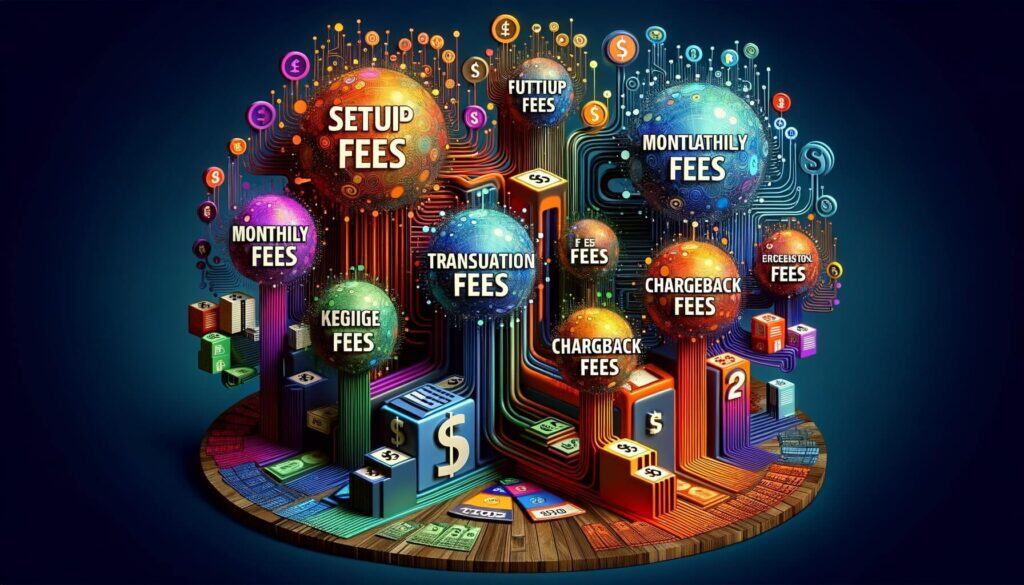
When considering the cost of a high risk merchant account, it is essential to understand the common fees associated with it. While the specific fees may vary depending on the provider, industry, and business size, the following are some of the most common fees:
1. Application Fee: Many high risk merchant account providers charge an application fee to cover the costs associated with underwriting and account setup. This fee is typically non-refundable, regardless of whether the application is approved or not.
2. Setup Fee: Similar to the application fee, the setup fee covers the costs of setting up the merchant account. It includes tasks such as integrating payment gateways, configuring fraud prevention measures, and providing technical support.
3. Monthly Fee: High risk merchant accounts often come with a monthly fee, which covers the ongoing maintenance and support provided by the payment processor or acquiring bank. This fee can vary depending on the provider and the services included.
4. Transaction Fee: A transaction fee is charged for each transaction processed through the merchant account. It is typically a percentage of the transaction amount, with a minimum fee per transaction. The specific rate may vary depending on factors such as the industry, processing volume, and risk level.
5. Chargeback Fee: In the event of a chargeback, a fee is charged to cover the administrative costs associated with handling the dispute. This fee can range from a few dollars to a significant percentage of the transaction amount.
6. Reserve Fund: Some high risk merchant account providers may require businesses to maintain a reserve fund. This fund acts as a safeguard against potential chargebacks or other financial risks. The reserve fund is typically a percentage of the monthly processing volume and is held by the provider for a specified period.
Hidden Costs and Additional Charges to Watch Out For
While the common fees mentioned above are transparent and easily identifiable, there are also hidden costs and additional charges that businesses need to be aware of when considering a high risk merchant account. These costs can significantly impact the overall expense and should be carefully evaluated before making a decision. Some of the hidden costs and additional charges to watch out for include:
1. Early Termination Fee: Many high risk merchant account providers include an early termination fee in their contracts. This fee is charged if a business decides to terminate the account before the agreed-upon contract period. The fee can be substantial and should be thoroughly reviewed before signing any agreements.
2. Rolling Reserve: In addition to the reserve fund mentioned earlier, some providers may impose a rolling reserve. This means that a percentage of each transaction is held by the provider for a specified period, typically ranging from 30 to 180 days. The rolling reserve can tie up a significant amount of funds, affecting a business’s cash flow.
3. PCI Compliance Fee: Payment Card Industry Data Security Standard (PCI DSS) compliance is mandatory for businesses that handle credit card information. Some high risk merchant account providers charge a separate fee for ensuring PCI compliance. This fee covers the costs associated with security audits, vulnerability scans, and other compliance-related activities.
4. Gateway Fee: A gateway fee may be charged for using a payment gateway to process transactions. This fee covers the costs of maintaining and securing the gateway infrastructure. It is important to consider this fee when evaluating the overall cost of a high risk merchant account.
Comparing Rates and Fees: How to Choose the Right High Risk Merchant Account Provider

Choosing the right high risk merchant account provider is crucial to minimize costs and ensure a smooth payment processing experience. When comparing rates and fees, businesses should consider the following factors:
1. Transparent Pricing: Look for providers that offer transparent pricing structures, clearly outlining all fees and charges associated with the merchant account. Avoid providers that hide fees or provide vague explanations.
2. Competitive Rates: Compare the rates offered by different providers to ensure you are getting a competitive deal. However, be cautious of providers offering significantly lower rates than the industry average, as they may have hidden costs or provide subpar services.
3. Customized Solutions: Each high risk industry has its own unique requirements and challenges. Look for providers that offer customized solutions tailored to your specific industry needs. This can help optimize costs and ensure compliance with industry regulations.
4. Reputation and Experience: Consider the reputation and experience of the provider in serving high risk industries. Look for reviews and testimonials from other businesses in your industry to gauge the provider’s reliability and customer satisfaction.
5. Customer Support: Payment processing is a critical aspect of any business, and issues can arise at any time. Ensure that the provider offers reliable customer support, preferably 24/7, to address any concerns or technical difficulties promptly.
Tips for Reducing the Cost of Your High Risk Merchant Account
While high risk merchant accounts may come with higher costs compared to traditional merchant accounts, there are several strategies businesses can employ to reduce these costs. Implementing the following tips can help minimize expenses and optimize the overall value of a high risk merchant account:
1. Maintain Low Chargeback Rates: High chargeback rates can lead to increased fees and even account termination. Implement effective customer service strategies, fraud prevention measures, and clear refund policies to minimize chargebacks and maintain a healthy chargeback ratio.
2. Improve Industry Reputation: Building a positive industry reputation can help negotiate better terms and lower fees with high risk merchant account providers. Focus on delivering exceptional products or services, maintaining compliance with industry regulations, and actively addressing any customer concerns or complaints.
3. Negotiate Fees: Don’t be afraid to negotiate fees with potential high risk merchant account providers. If your business has a strong financial track record, low chargeback rates, or a high processing volume, you may be able to secure more favorable terms.
4. Optimize Fraud Prevention Measures: Fraudulent transactions can result in chargebacks and increased costs. Implement robust fraud prevention measures, such as address verification systems, CVV checks, and transaction monitoring tools, to minimize the risk of fraud and associated expenses.
5. Regularly Review Contracts: Contracts with high risk merchant account providers may have hidden fees or unfavorable terms. Regularly review your contracts to identify any potential cost-saving opportunities or areas for negotiation.
Frequently Asked Questions about High Risk Merchant Account Costs
Q1. Are high risk merchant accounts more expensive than traditional merchant accounts?
A1. Yes, high risk merchant accounts typically come with higher fees and stricter terms compared to traditional merchant accounts. This is due to the increased risk associated with high risk industries.
Q2. Can I negotiate fees with high risk merchant account providers?
A2. Yes, it is possible to negotiate fees with high risk merchant account providers, especially if your business has a strong financial track record or low chargeback rates. However, not all providers may be open to negotiation, so it is important to explore multiple options.
Q3. How can I reduce chargebacks and associated costs?
A3. Implementing effective customer service strategies, fraud prevention measures, and clear refund policies can help minimize chargebacks. Regularly monitoring transactions and addressing customer concerns promptly can also help reduce chargebacks and associated costs.
Q4. What is the role of PCI compliance in high risk merchant account costs?
A4. PCI compliance is mandatory for businesses that handle credit card information. Some high risk merchant account providers charge a separate fee for ensuring PCI compliance. This fee covers the costs associated with security audits, vulnerability scans, and other compliance-related activities.
Q5. Can I switch high risk merchant account providers to reduce costs?
A5. Yes, it is possible to switch high risk merchant account providers to reduce costs. However, businesses should carefully review their existing contracts and consider any early termination fees or other potential costs associated with switching providers.
Conclusion
Obtaining a high risk merchant account can be a necessary step for businesses operating in high risk industries. While the cost of a high risk merchant account may be higher compared to traditional merchant accounts, understanding the true cost and factors that influence it can help businesses make informed decisions.
By considering the common fees, hidden costs, and additional charges associated with high risk merchant accounts, businesses can choose the right provider and implement strategies to reduce costs. Ultimately, finding the right balance between cost and value is crucial to ensure a smooth payment processing experience while mitigating financial risks.