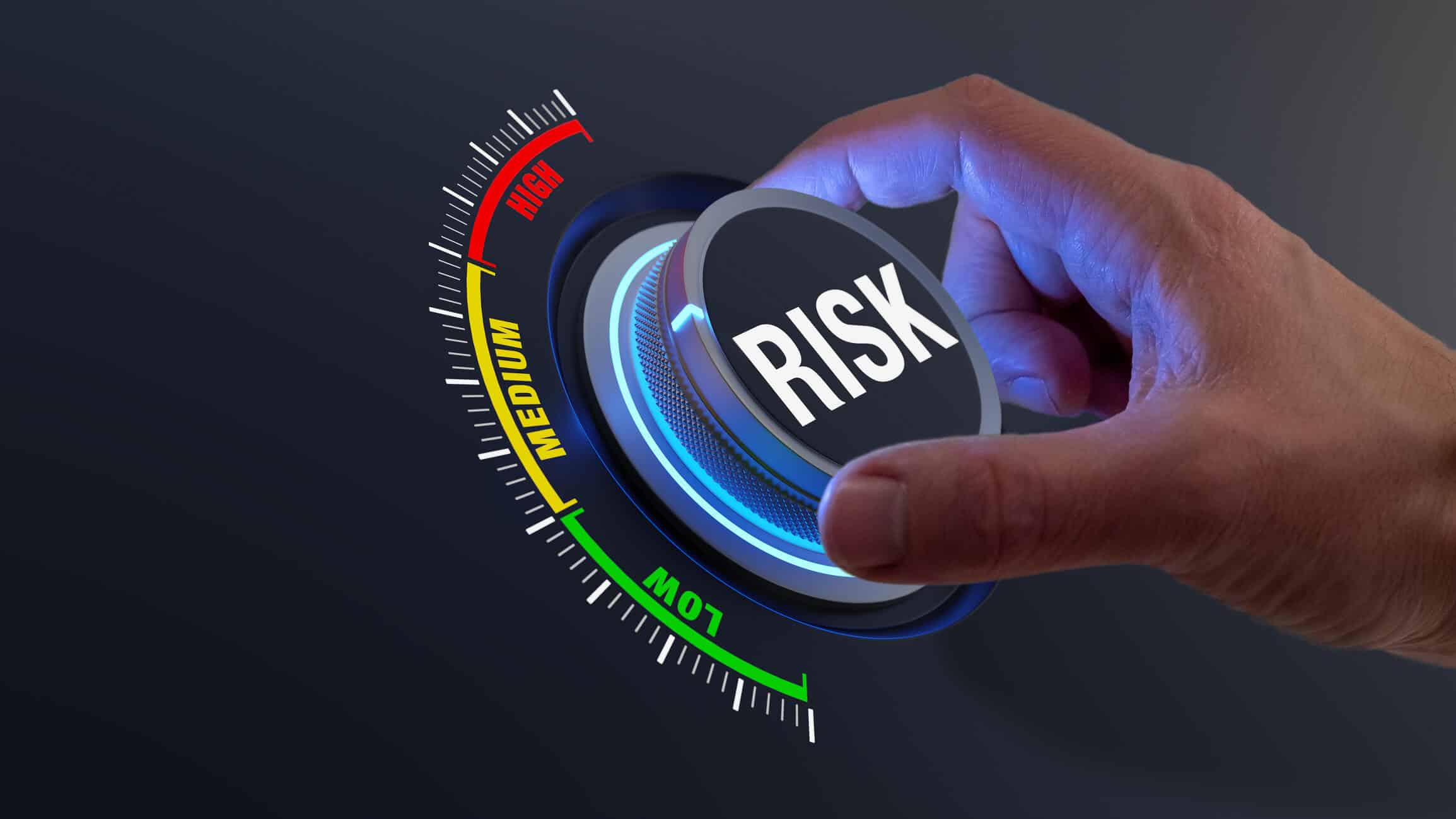
In the world of payment processing, certain industries are considered high-risk due to various factors such as legal and regulatory issues, high chargeback rates, and potential for fraudulent activities. Payment processors, the intermediaries between merchants and banks, play a crucial role in facilitating secure and efficient transactions. However, they must...
How to Secure Funding for High-Risk Businesses
Starting a high-risk business can be an exciting and potentially lucrative venture. However, one of the biggest challenges faced by entrepreneurs in this space is securing funding. High-risk businesses are often perceived as risky investments by traditional lenders and investors, making it difficult to obtain the necessary capital to get...
How to Manage and Mitigate Risk in High-Risk Businesses

In today's dynamic business environment, certain industries are inherently more prone to risks than others. These high-risk businesses operate in sectors such as finance, healthcare, construction, and aviation, where the potential for financial loss, legal liabilities, and reputational damage is significantly higher. Managing and mitigating risks in such industries requires...
Why Your Business Might Be Considered High-Risk
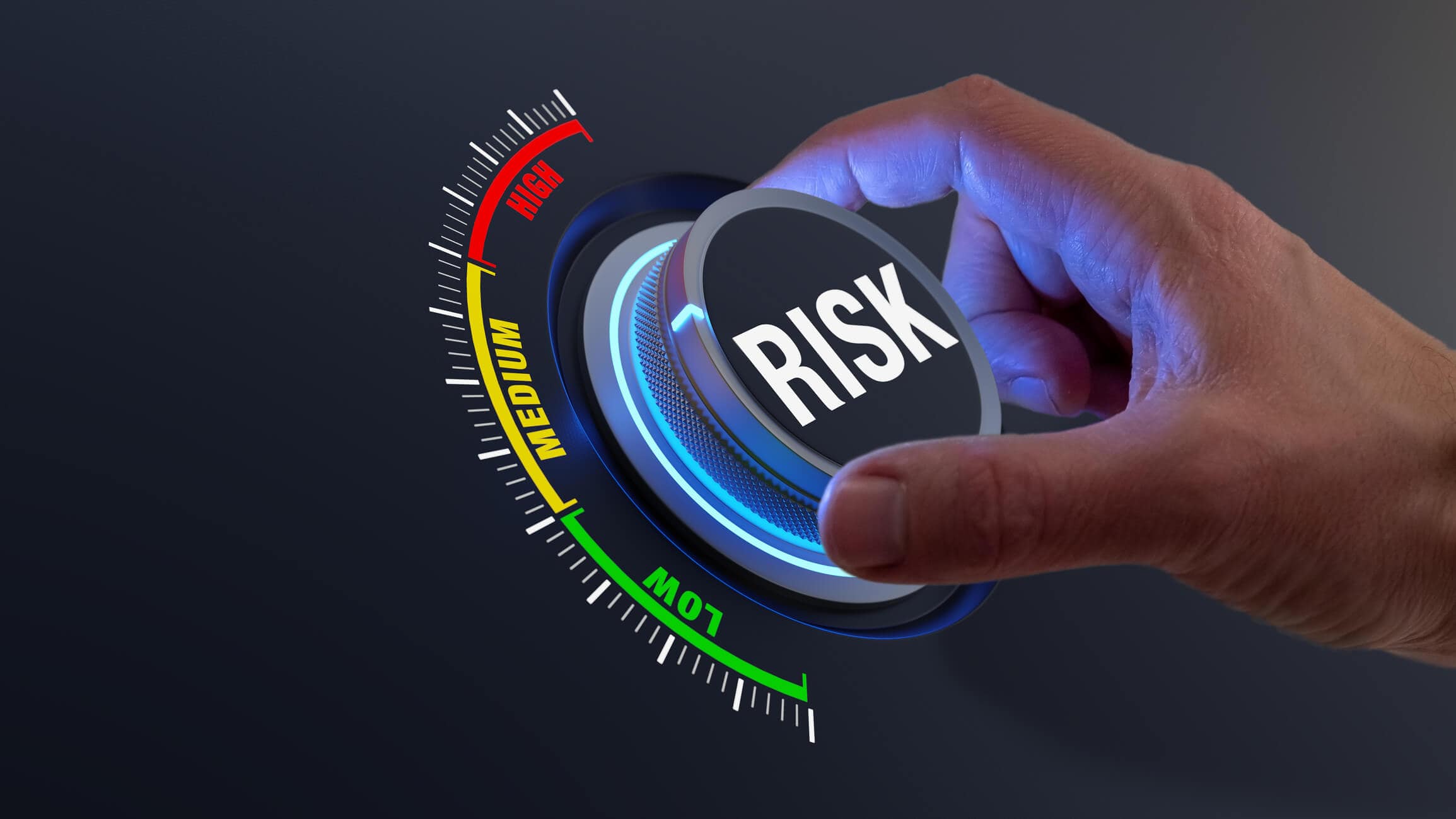
In the world of business, there are certain industries and ventures that are considered high-risk. These businesses face unique challenges and obstacles that can make it difficult for them to operate and thrive. Understanding what defines a high-risk business and the factors that contribute to this classification is crucial for...
What are High-Risk Industries? Examples and Deciding Factors

High-risk industries refer to sectors or fields of business that are associated with a higher probability of financial loss, occupational hazards, safety risks, and regulatory challenges. These industries are characterized by their potential for significant negative impacts on businesses, employees, and the economy as a whole. Understanding high-risk industries is...